behind the scenes

Who produces Soboe jewelry?

All Soboe Jewels pieces are made in Tuscany, after a long search to find a supplier who could embody all the values I wanted to instill in my creations. Below, I've outlined the strengths of each piece.
Our strengths

Made in Tuscany

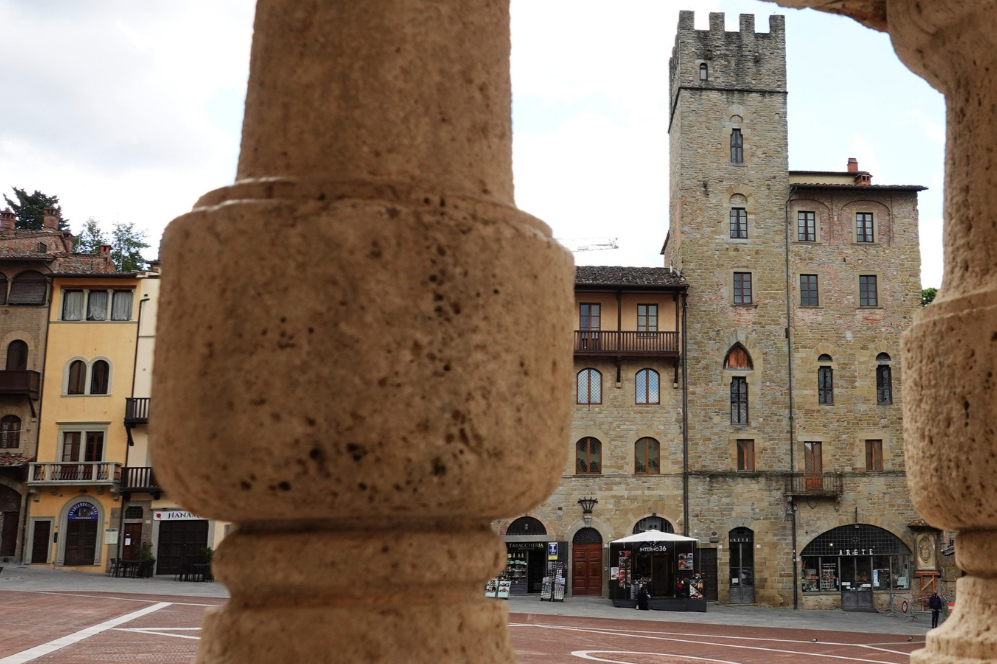
Our suppliers are located in Arezzo, where they carry out the entire production process, from the design and planning phase to the casting of the materials and the setting of the stones.

This guarantees entirely Made in Italy production.

Our strengths

artisanal production

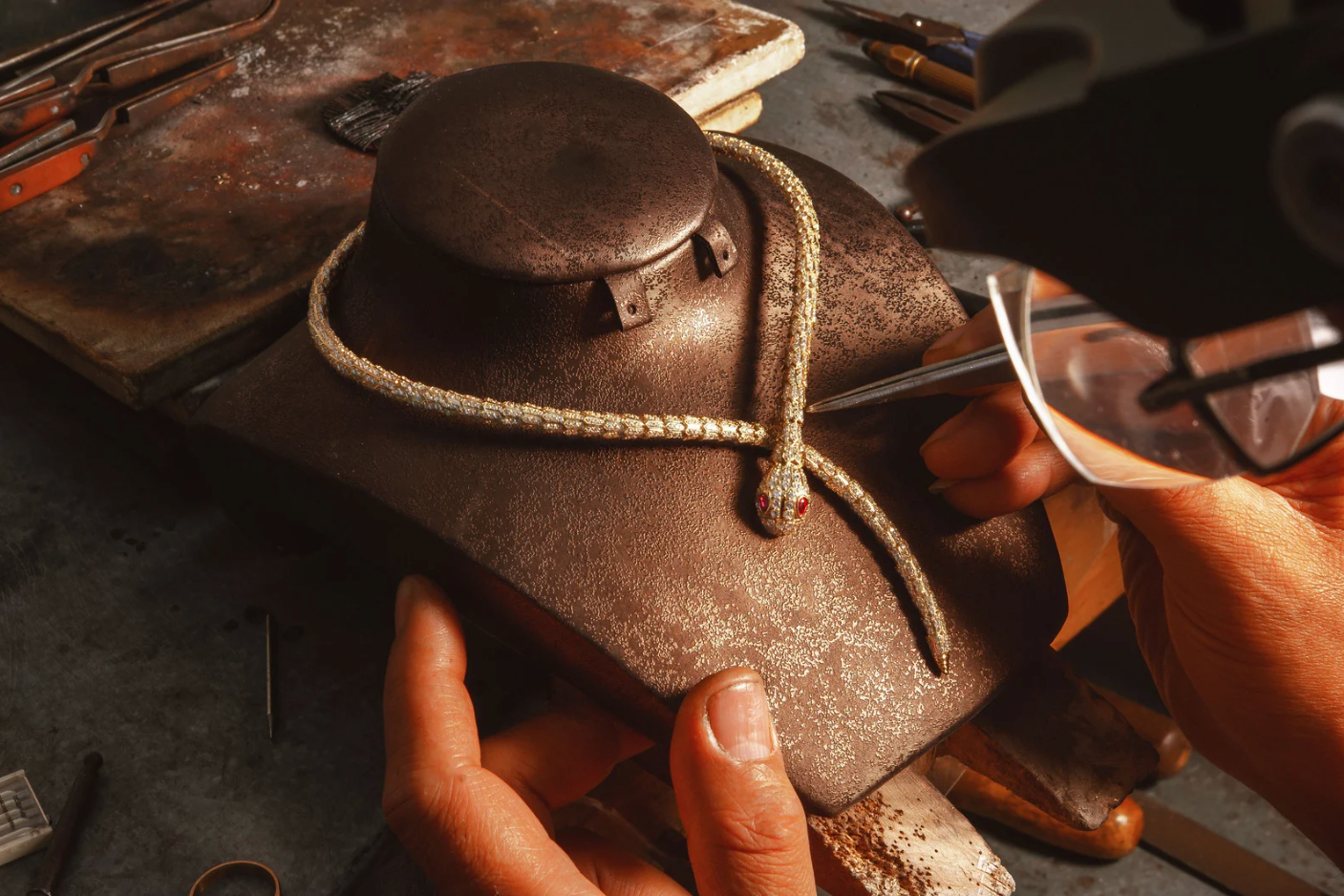
As with most of the Italian goldsmith market, production takes place using artisanal methods, starting with the prototype and the first model, and then continuing with semi-industrial support for mass production.

Our strengths

100% recycled silver

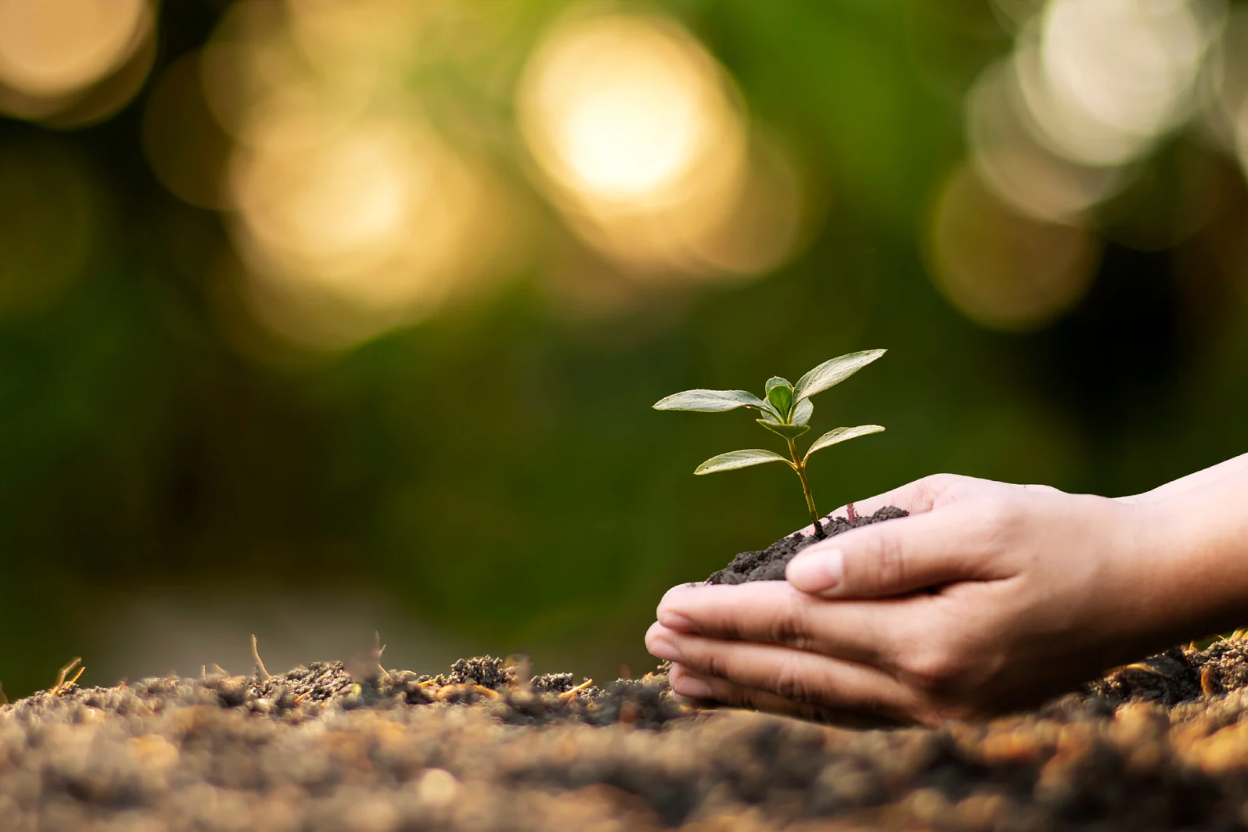
Our supplier produces jewelry entirely from 100% recycled silver. Silver, like other alloys, can be recycled infinitely without compromising either the intrinsic characteristics of the material or the final quality of the product. The use of entirely recycled materials, in addition to reducing CO2 emissions, allows for lower water consumption and reduces other environmental impacts, as recycling precious metals uses fewer resources than mining new ones.

Our strengths

Made in Tuscany

Our suppliers are located in Arezzo, where they carry out the entire production process, from the design and planning phase to the casting of the materials and the setting of the stones.

This guarantees entirely Made in Italy production.

artisanal production

As with most of the Italian goldsmith market, production takes place using artisanal methods, starting with the prototype and the first model, and then continuing with semi-industrial support for mass production.

100% recycled silver

Our supplier produces jewelry entirely from 100% recycled silver. Silver, like other alloys, can be recycled infinitely without compromising either the intrinsic characteristics of the material or the final quality of the product. The use of entirely recycled materials, in addition to reducing CO2 emissions, allows for lower water consumption and reduces other environmental impacts, as recycling precious metals uses fewer resources than mining new ones.